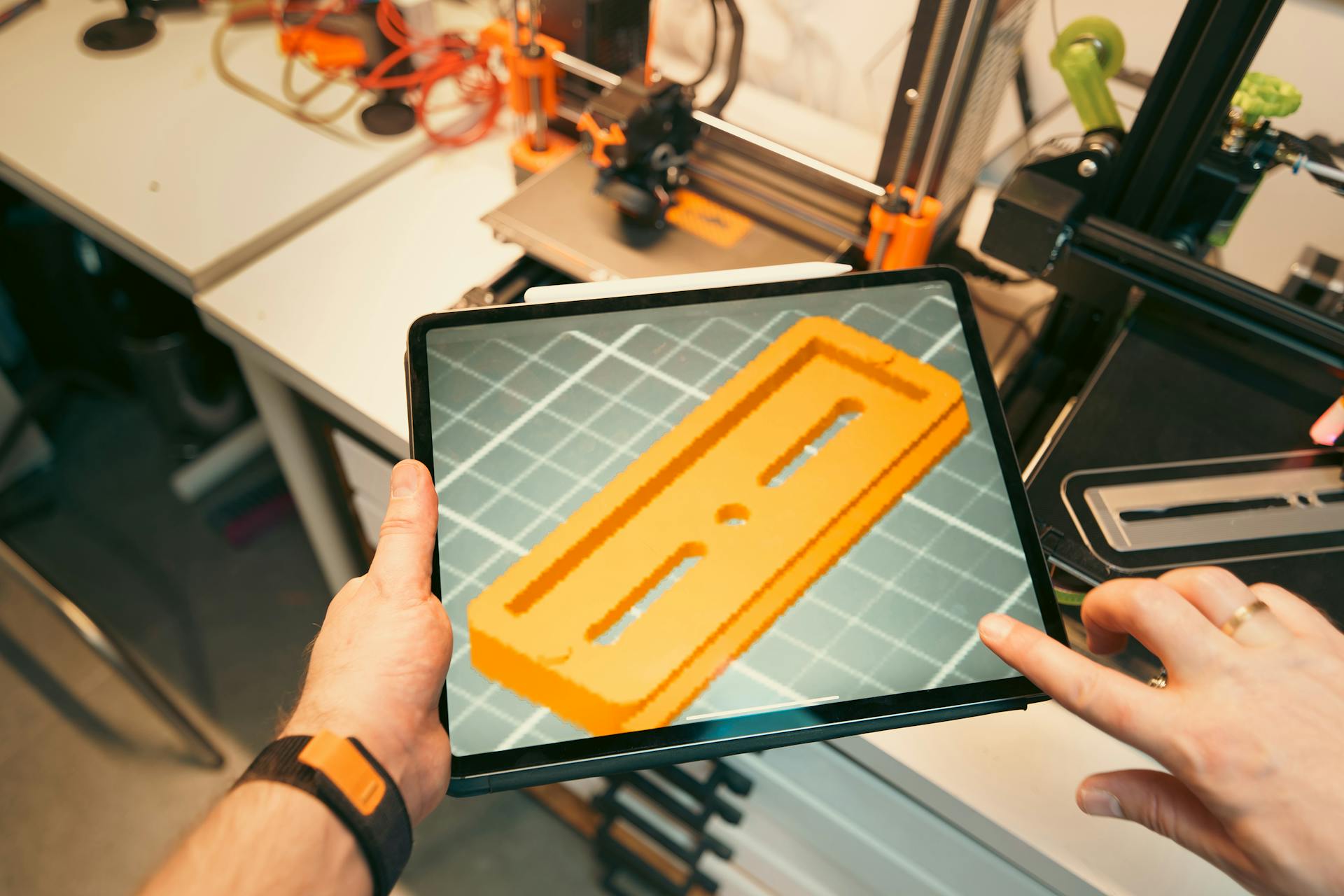
How to Evaluate a Hardware Prototype
Identify design, structural, and compliance risks before certification
Identify design, structural, and compliance risks before certification
Evaluating a hardware prototype is a critical step before moving into certification and mass production. Many issues that appear during testing originate from problems that could have been identified earlier.
A structured evaluation process helps reduce risk, avoid redesign, and improve the chances of passing compliance testing on the first attempt.
The first step is to verify whether the prototype meets its intended functional requirements under real-world conditions.
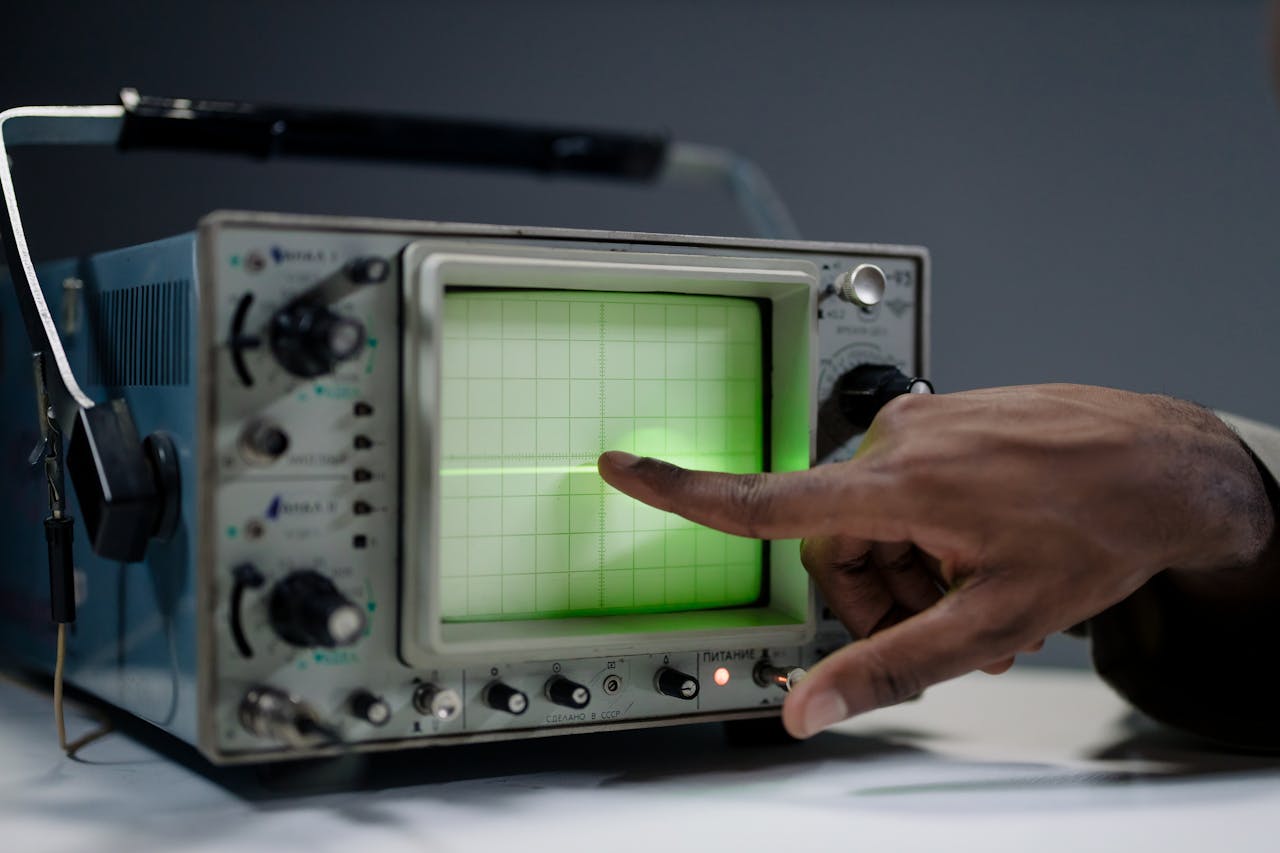
Functional instability at this stage often leads to larger issues during certification.
The mechanical design of the prototype must be evaluated for strength, assembly, and EMC impact. Poor enclosure design can introduce significant risks.

These issues are closely related to enclosure design for EMC compliance.
Early identification of EMI risks is essential. Noise sources, grounding issues, and layout problems should be reviewed at the prototype stage.

Understanding common EMI problems helps identify potential failures early.
Pre-compliance testing provides insight into how the product will perform during formal certification. It helps identify weaknesses before full testing.

This step significantly reduces the risk of EMC testing failure.
The prototype should also be evaluated for manufacturability, including assembly complexity and cost efficiency.

Understanding EMC testing cost is also important when planning production.
A well-evaluated prototype reduces uncertainty and increases the likelihood of successful certification and production.
By addressing performance, structure, EMC, and manufacturability early, companies can avoid costly redesign cycles and accelerate time to market.
We help identify risks early and improve your product’s compliance readiness.
Get Expert Evaluation