Enclosure Design for EMC Compliance
How structure, shielding, and grounding impact product certification
How structure, shielding, and grounding impact product certification
Enclosure design plays a critical role in EMC compliance. While many engineers focus on circuit design, the physical structure of a product often determines whether it passes or fails testing.
Poor enclosure design can create unintended emission paths, reduce shielding effectiveness, and increase interference risks across the entire system.
Gaps, seams, and ventilation openings can act as leakage points for electromagnetic emissions. Even small structural inconsistencies can significantly impact EMC performance.

These issues are a common reason hardware prototypes fail EMC testing.
Material selection directly affects shielding performance. Plastic enclosures without proper treatment provide little EMI protection, while metal structures offer better containment.

Choosing the right materials is essential for balancing cost, weight, and compliance.
Effective grounding ensures that electromagnetic energy is properly controlled and dissipated. Poor structural continuity can break grounding paths and increase emissions.
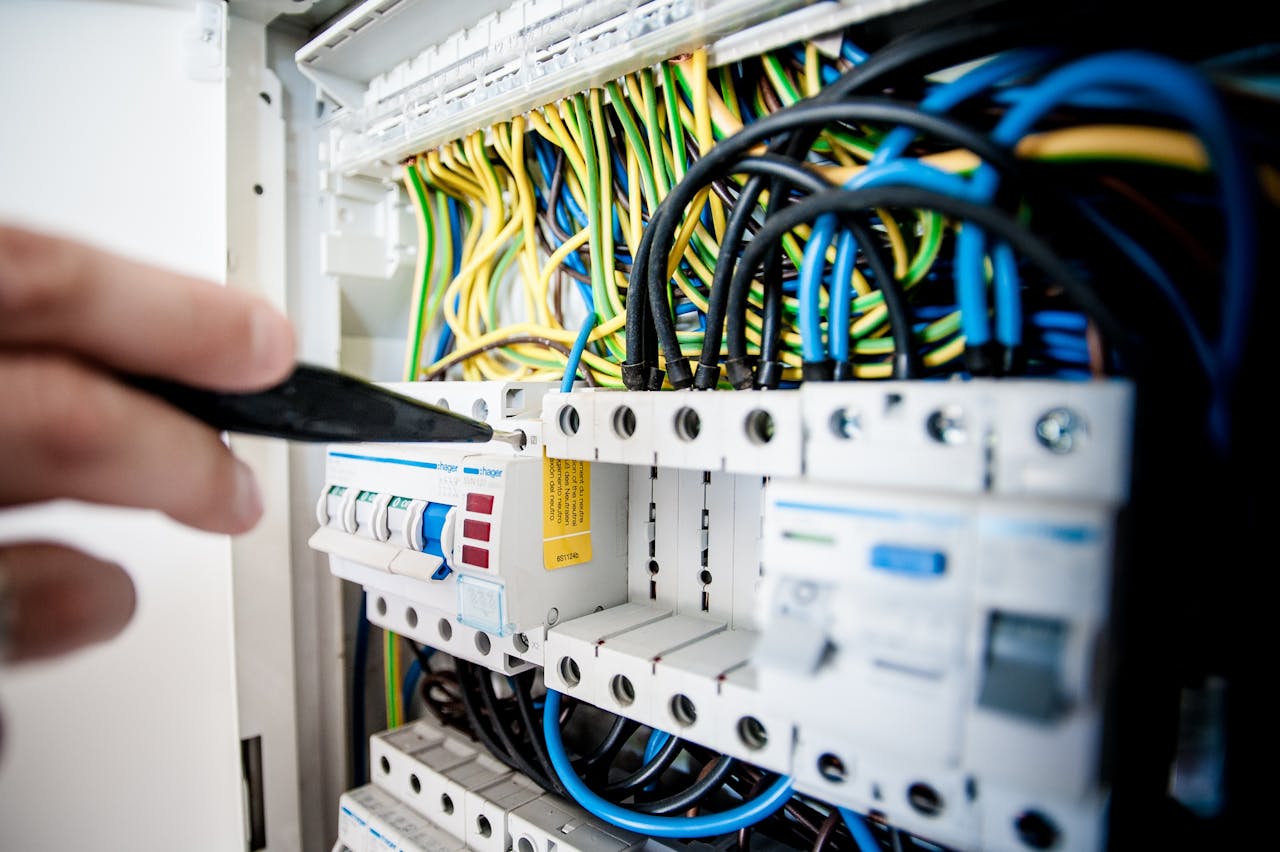
Grounding issues are also discussed in common EMI problems in PCB design.
Ventilation is necessary for thermal management, but openings reduce shielding effectiveness. Balancing airflow and EMC performance is a key design challenge.
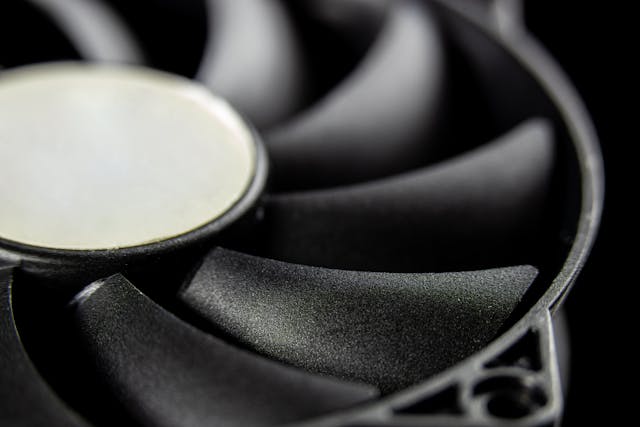
These trade-offs are common in compact devices. Learn more about structural design risks in smart devices.
Enclosure design should not be treated as a separate step. It must be integrated with system architecture, PCB layout, and compliance strategy from the beginning.
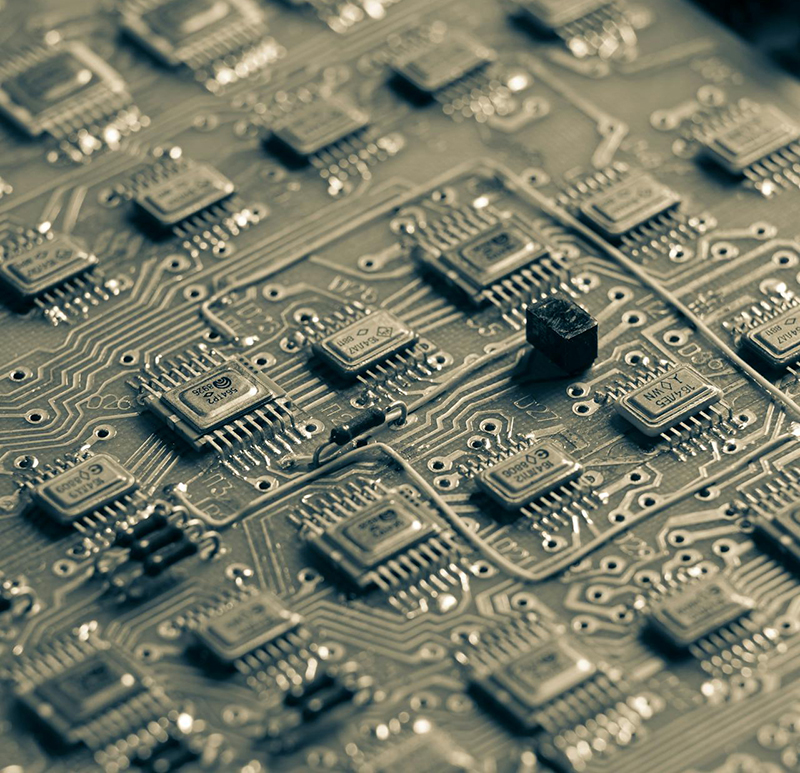
Following a structured process like the hardware product development process helps reduce EMC risks early.
Enclosure design is a key factor in EMC compliance, not just a mechanical consideration. Proper design decisions can significantly improve first-pass success rates.
By optimizing structure, materials, and grounding, companies can reduce redesign cycles and accelerate product certification.
We help improve structural design to reduce EMC risks and pass certification faster.
Get Expert Support