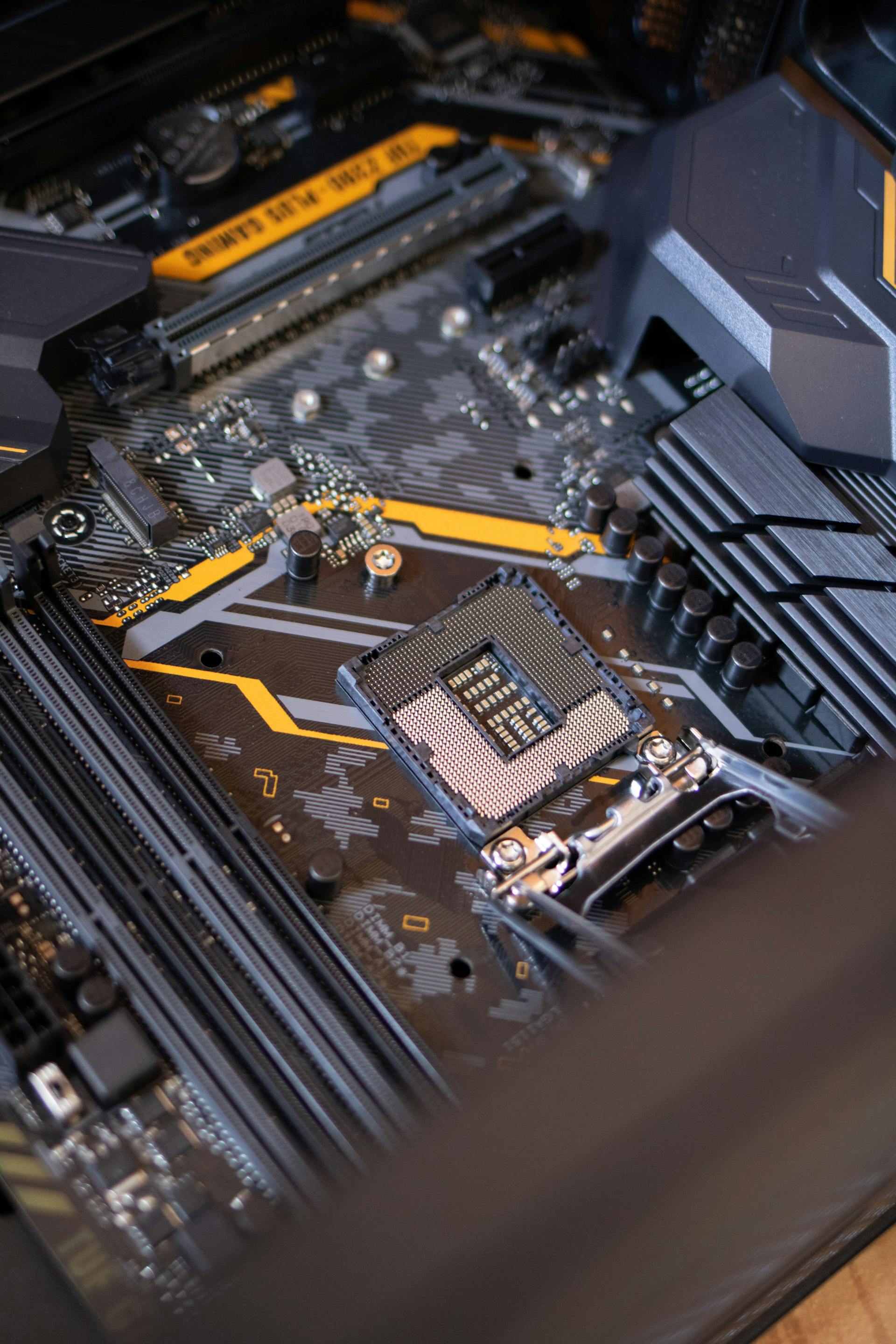
Common EMI Problems in PCB Design
Why most hardware projects fail EMC — and how to prevent it early
Electromagnetic interference (EMI) is one of the most common reasons hardware products fail compliance testing. In our experience supporting global clients, more than 70% of EMC failures originate from poor PCB design decisions made early in development.
The problem is not testing — it's design. Once EMI issues appear in certification labs, fixing them becomes expensive, time-consuming, and sometimes structurally impossible.

One of the most critical yet frequently overlooked aspects is grounding. Improper ground plane segmentation or high impedance return paths can significantly increase radiated emissions.
A continuous and low-impedance ground plane is fundamental for EMI control.

As signal frequencies increase, PCB traces behave like antennas. Poor routing practices can cause strong electromagnetic radiation.
Maintaining controlled impedance and minimizing discontinuities are key to reducing EMI.

Power integrity issues often translate directly into EMI problems. Without proper decoupling, noise propagates across the board and radiates outward.
Strategic capacitor placement close to IC pins is essential for noise suppression.
Many teams treat EMI as a post-design issue. This is a fundamental mistake.
By the time a prototype reaches EMC testing, layout decisions are already locked in. Fixes at this stage often require:
EMI must be addressed during schematic and layout stages — not after.
The most effective approach is to integrate EMC thinking into the design process from day one.
Early-stage EMC evaluation can reduce certification risks by more than 50%.
We help you identify EMC issues at the design stage — saving time, cost, and redesign cycles.
Get Expert Support