Structural Design Risks in Smart Devices
Common enclosure and mechanical risks that impact product reliability and compliance
Common enclosure and mechanical risks that impact product reliability and compliance
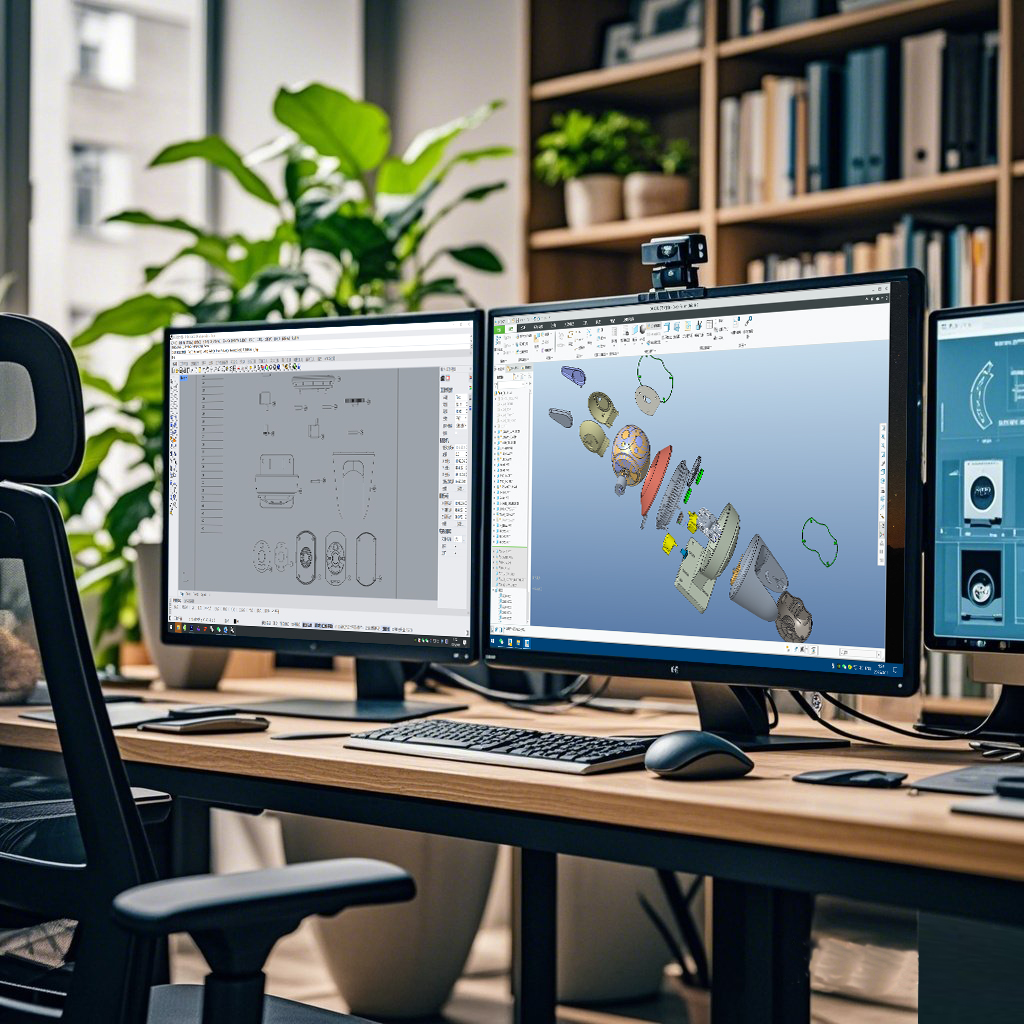
Structural design plays a critical role in the performance, durability, and compliance of smart devices. However, many risks are often overlooked during early development stages.
Poor structural decisions can lead to EMC failures, assembly issues, and long-term reliability problems. Identifying these risks early is essential for successful product development.
Gaps, seams, and weak enclosure structures can create unintended emission paths and reduce shielding effectiveness.
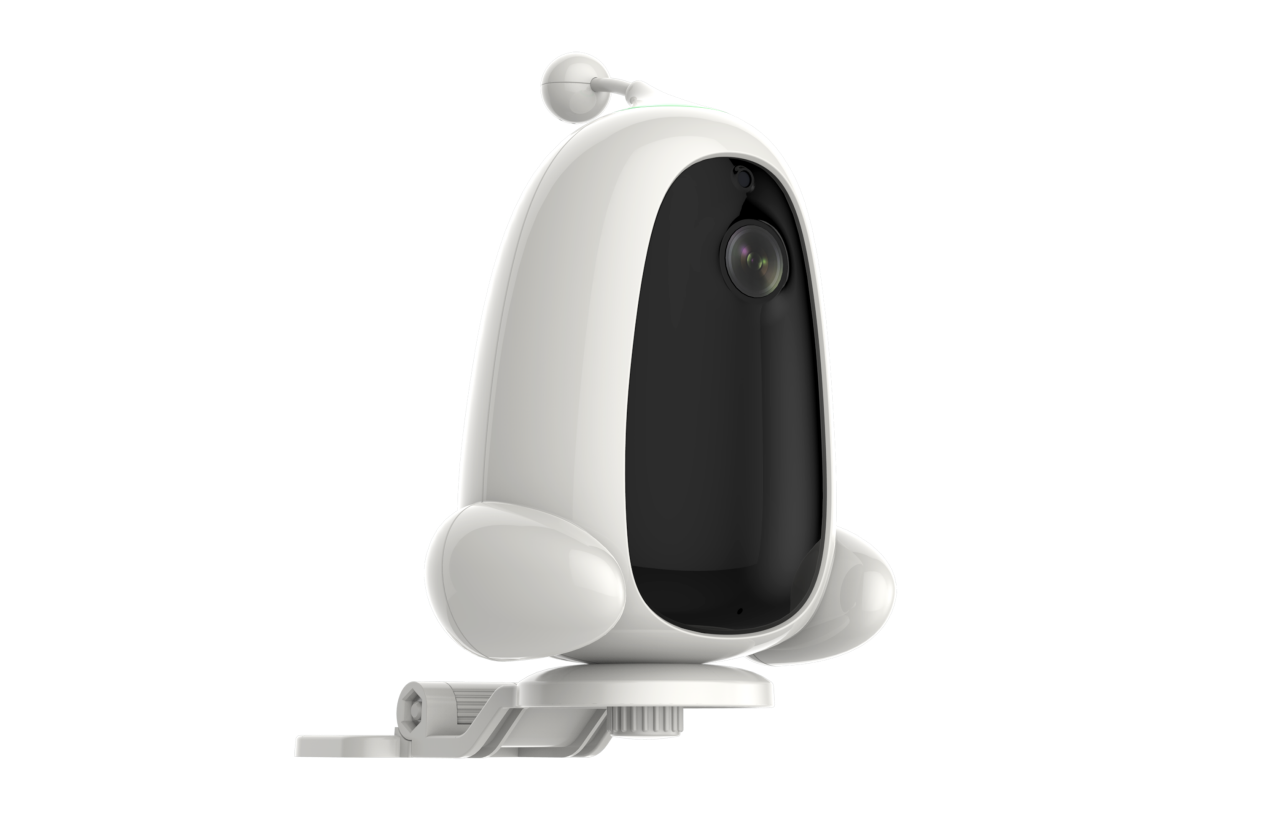
These issues are also a common cause of EMC failures in hardware prototypes.
Material choice directly affects both mechanical strength and electromagnetic performance. Using improper materials can lead to structural weakness and poor shielding.

Selecting the right materials ensures durability while supporting compliance requirements.
Internal supports, mounting points, and component fixation must be carefully designed. Weak structures can cause vibration, misalignment, and functional instability.
These issues often appear during testing and can require costly redesign.
Thermal management is closely linked to structural design. Poor ventilation can lead to overheating, affecting both performance and compliance.
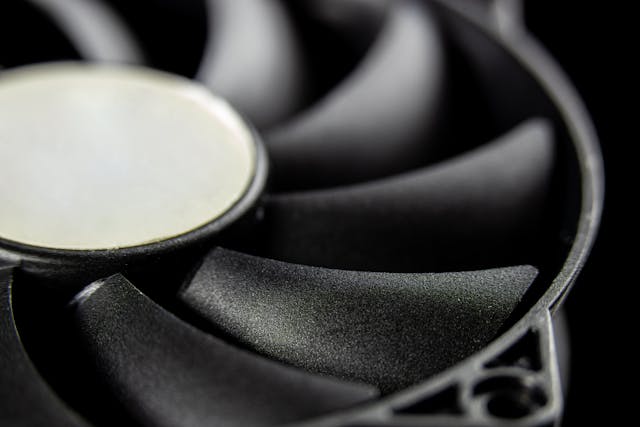
Balancing airflow and shielding is a key challenge in smart device design.
Many structural designs are created without considering compliance requirements such as EMC and safety standards.
Following a structured approach like the hardware product development process helps reduce these risks early.
Structural design is not just about appearance — it directly impacts product performance, reliability, and compliance success.
By addressing enclosure, materials, and internal structure early, companies can avoid costly redesigns and improve time to market.
We help optimize enclosure and structure to improve compliance and reliability.
Talk to Our Engineers