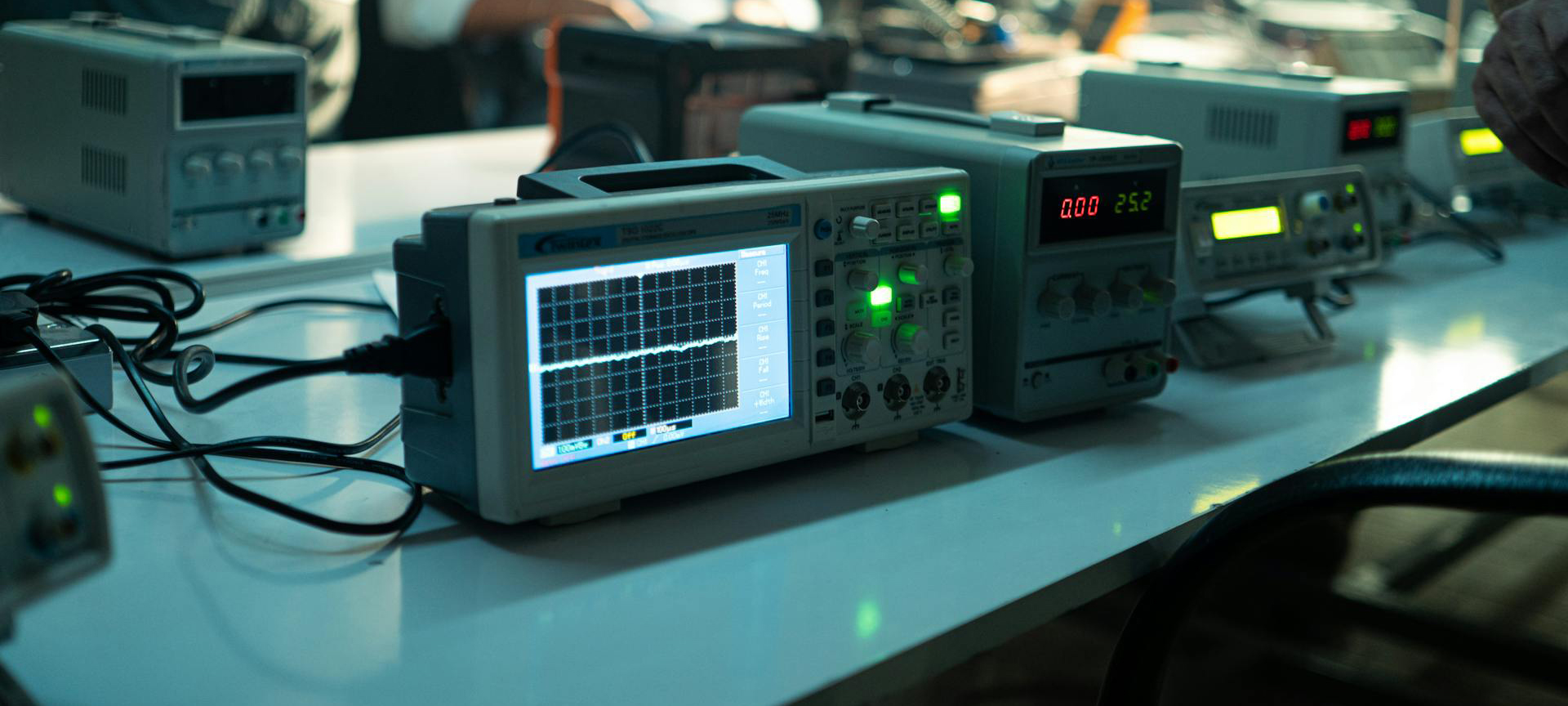
Hardware Development Life Cycle: From Prototype to Certification
From concept to certification: best practices for electronics engineering and prototyping.
From concept to certification: best practices for electronics engineering and prototyping.
Many hardware teams underestimate how early prototype decisions affect EMC testing and certification results. A weak design in the prototype stage often leads to failure during compliance testing, increasing both cost and time to market.
The hardware product development process is a structured methodology that ensures electronics products meet functional, regulatory, and market requirements.
Define the product purpose, user needs, technical requirements, and compliance targets. A clear specification reduces redesigns later.
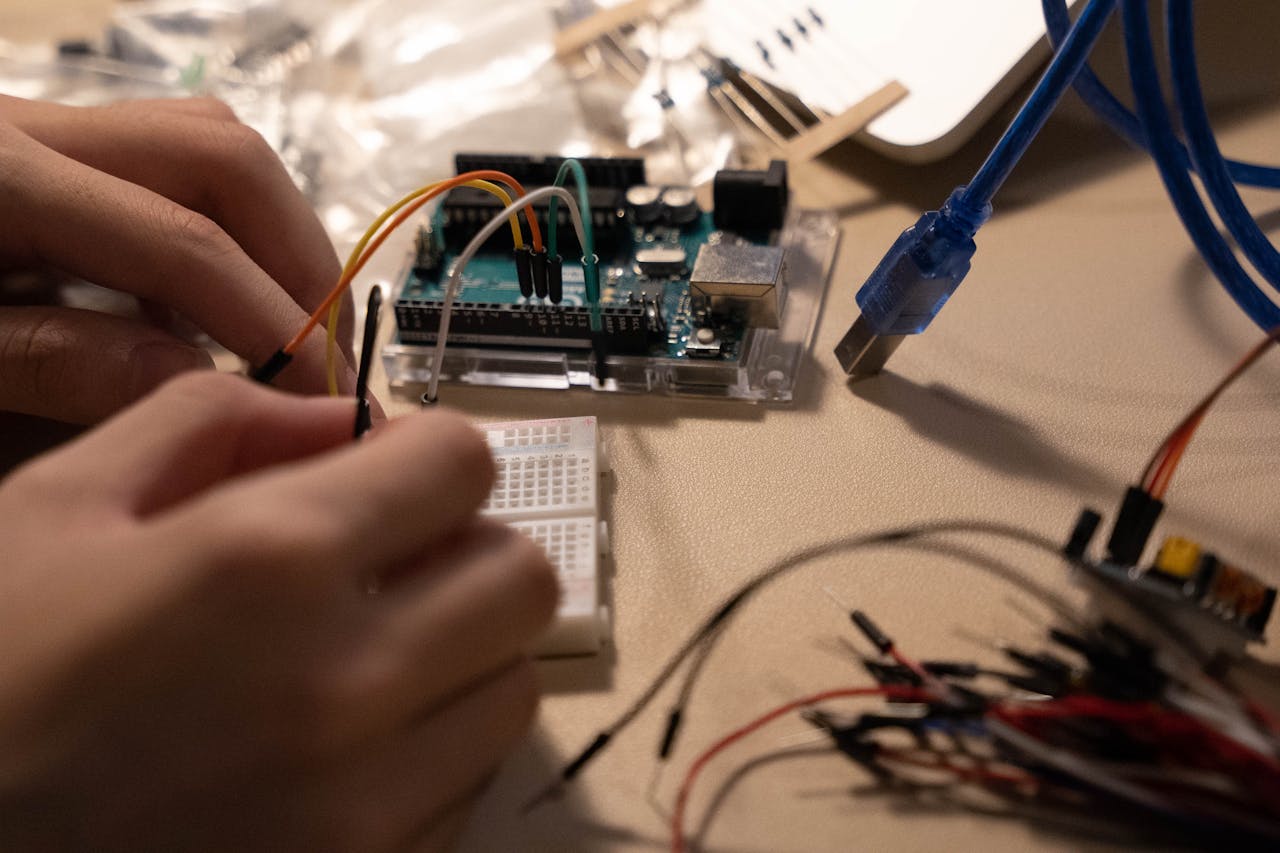
Create initial prototypes for functional validation. PCB layout, mechanical structure, and enclosure design are critical at this stage.
Conduct early EMC, safety, and functional tests to identify design flaws and reduce certification failures.
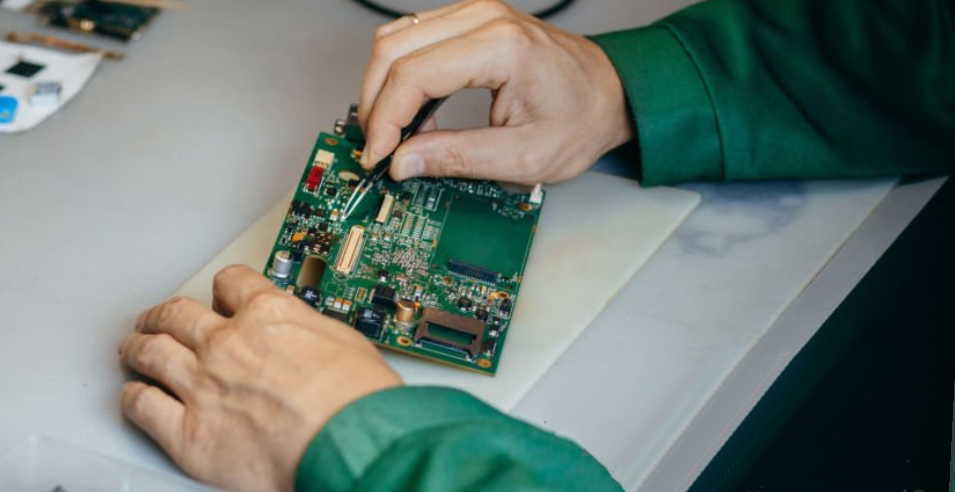
Pre-compliance testing is essential to reduce certification risks. Learn more about why hardware prototypes fail EMC testing.
Refine prototypes based on test results, manufacturability, and cost optimization. Iterate until performance and compliance targets are met.
Prepare technical documentation and perform final compliance testing to ensure smooth certification approval.
Transition the final design to manufacturing with clear specifications, BOM, and quality control guidelines.
Following this structured process helps minimize design risks, reduce time-to-market, and ensure product reliability.
Understanding cost is also critical during development. See EMC testing cost and how to reduce it.
Our engineering team supports electronics companies through every stage of product development, from prototyping to certification.
Schedule Your Consultation