
How to Pass EMC Testing the First Time
Avoid delays and redesign by solving compliance issues early
Avoid delays and redesign by solving compliance issues early
Failing EMC testing is one of the most common reasons hardware products are delayed before market launch. In most cases, the issue is not the test itself — but design decisions made earlier in development.
With the right engineering approach, most EMC failures can be predicted and avoided. The key is to address compliance risks before the product reaches the certification stage.
EMC should be considered from the earliest stages of product development, including system architecture and enclosure design.
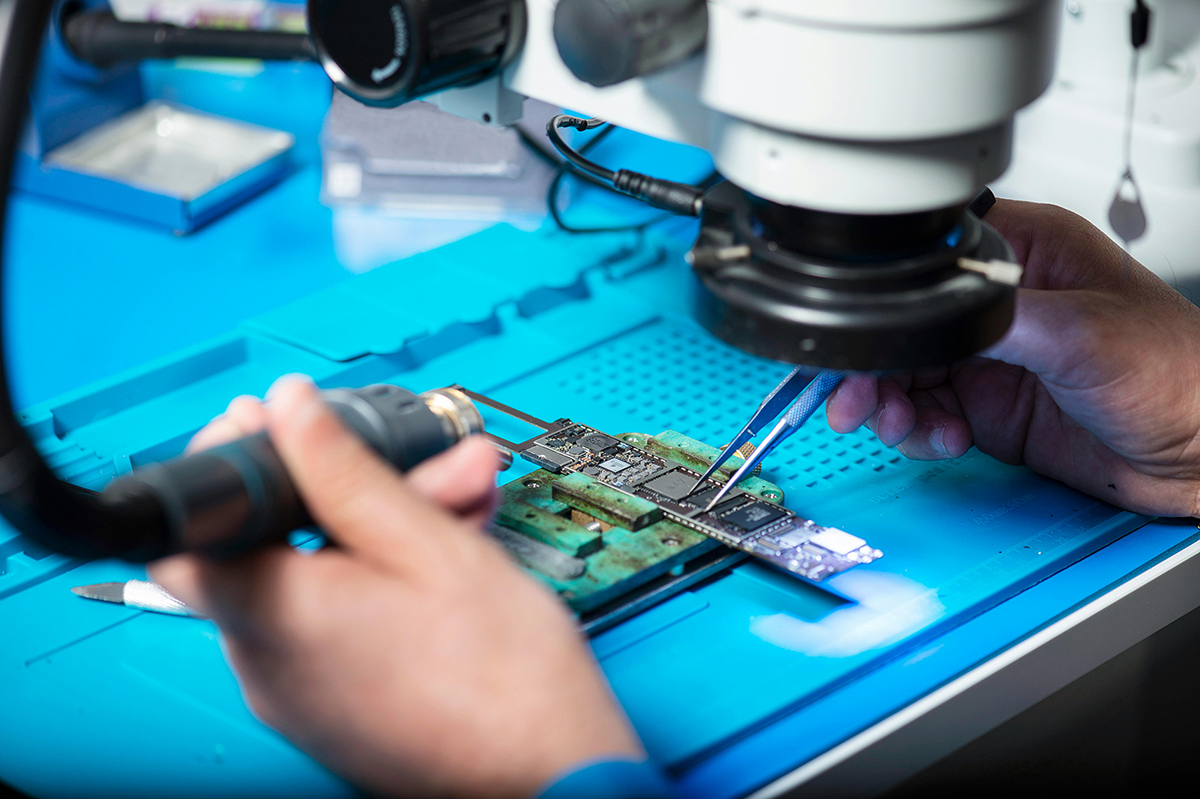
Early decisions define the foundation of compliance performance and are difficult to correct later.
The product enclosure plays a critical role in EMC performance. Poor structural design can create unintended emission paths and reduce shielding effectiveness.

Reducing gaps, improving grounding, and applying shielding materials are key strategies to control emissions.
Many EMC issues originate from system-level noise rather than individual components. Controlling noise at the source is essential.
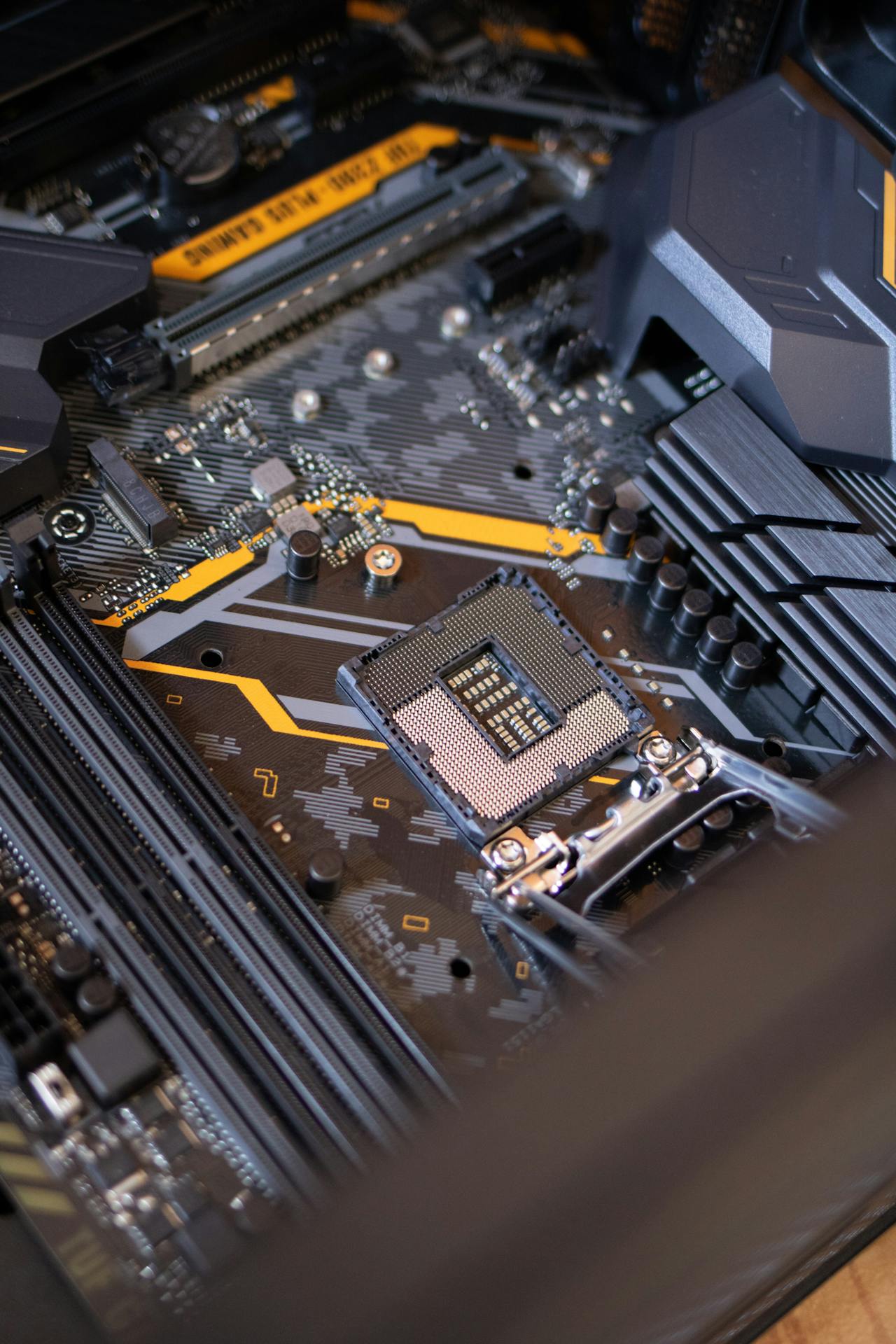
Optimizing power systems, grounding paths, and module interactions helps prevent interference from spreading across the product.
Pre-compliance testing allows you to identify potential EMC risks before formal certification. It is one of the most effective ways to improve first-pass success rates.
Early testing reduces uncertainty and avoids costly redesign cycles.
Passing EMC testing the first time is not accidental — it is the result of structured engineering decisions made throughout the development process.
By integrating compliance thinking into design, structure, and testing stages, companies can reduce delays, lower costs, and accelerate time to market.
We help identify compliance risks early and reduce certification failures.
Get Expert Support